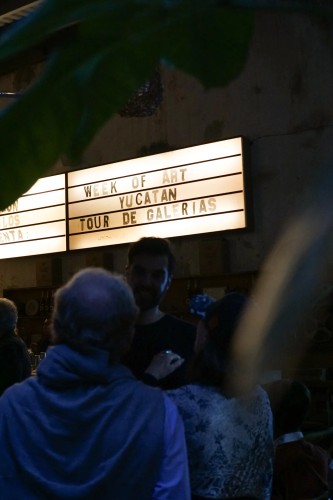
For the first time, Yucatán experienced something many of us felt was necessary: an art week—WAY (Week of Art Yucatán). It arrived in Mérida as a collective effort that brought together local artists with creators traveling from different parts of the world. More than just an event, it was a clear sign that the scene was already there, waiting to be articulated.
I have been living in Mérida for six years, and from that proximity—more everyday than incidental—it was evident that something like this was needed. The city had been quietly building a solid creative scene: dispersed, but alive, and in need of a moment of articulation and visibility. WAY stepped in to fill that space.
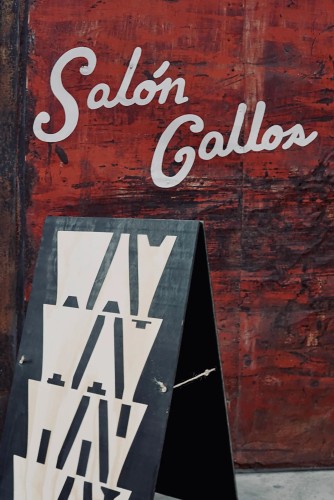
What was most valuable about this first edition was not only the quality of the proposals, but the way the city responded. The main venues—Salón Gallos, Nepantla, and Plantel Matilde—set the rhythm for the week, while galleries, haciendas, private homes, restaurants, bars, and shops activated in parallel. What stood out was how naturally locals and visitors coexisted: art became an excuse to walk, talk, and share.
As José García, organizer of WAY, explains, “the initiative seeks to strengthen exchange and give greater visibility to Yucatán’s art ecosystem, creating over the course of a week a real meeting point between artists, audiences, and cultural agents from different contexts.”
In that sense, just as Guadalajara and Monterrey have been building a strong agenda in the days leading up to Mexico City’s Art Week, Mérida was no exception. WAY functioned as a natural prelude, but with its own energy. There was no rush or oversaturation here: Mérida offered time, closeness, and a human-scale experience, also taking advantage of the growing interest in the city and the natural flow of visitors heading to fairs like ZSONA MACO.
Within this broader map of proposals, there were spaces that particularly captured the spirit of this first edition, which I had the opportunity to visit during these days.
With six years of history, Salón Gallos established itself as a key hub for the local art community. During WAY, it served as the program’s base, hosting talks, screenings, exhibitions, and the closing gathering, reaffirming its role as a cultural anchor.
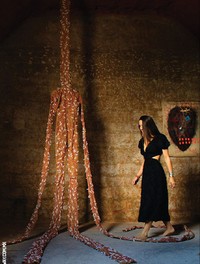
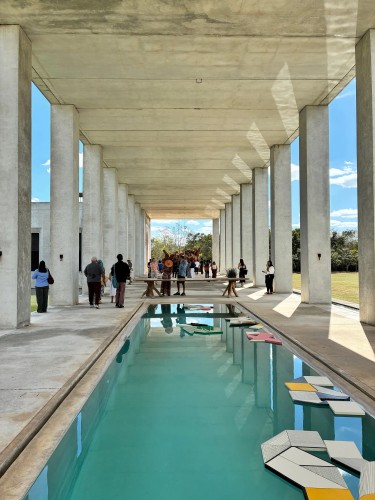
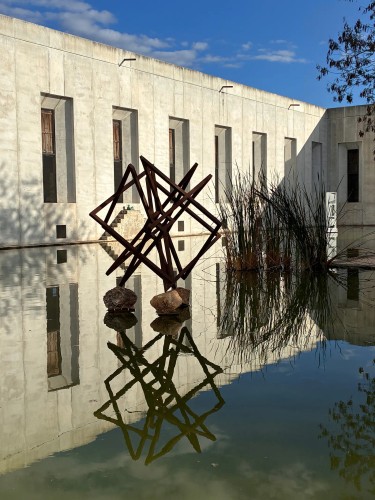
Nepantla, located in Telchac Pueblo and curated by Ángela Damman together with Nadia Guitteau, unfolded between the jungle and the ruins of a former henequen factory, owned by Damman, an American artist who arrived in Yucatán over fifteen years ago. Nepantla—a Nahuatl word referring to “the in-between”—explored intersections between cultures, times, and materials. Photography, objects, textiles, and ceramics coexisted in an environment where the landscape became an active part of the experience. Participating artists included Ángela Damman, Ric Kokotovich, Genaro Hoepfner, Natalia Tannenbaum, and Ernesto Azcárate, among others.
At Plantel Matilde, located in the community of San Antonio Sac Chich and initiated by sculptor Javier Marín, a clear vision of contemporary sculptural production in the region was presented. Conceived as a workshop, residency, and space for exchange, the venue hosted the exhibition “On the line where the sky touches the earth, objects cease to exist,” curated by José García Torres and César Rendón. The show brought together 36 artists, including Mario García Torres, Pedro Reyes, Yutaka Sone, Randy Shull, and Claribel Calderius, and welcomed more than 600 visitors, who also toured the Sac Chich Clay Workshop, a community project led by the Javier Marín Foundation.
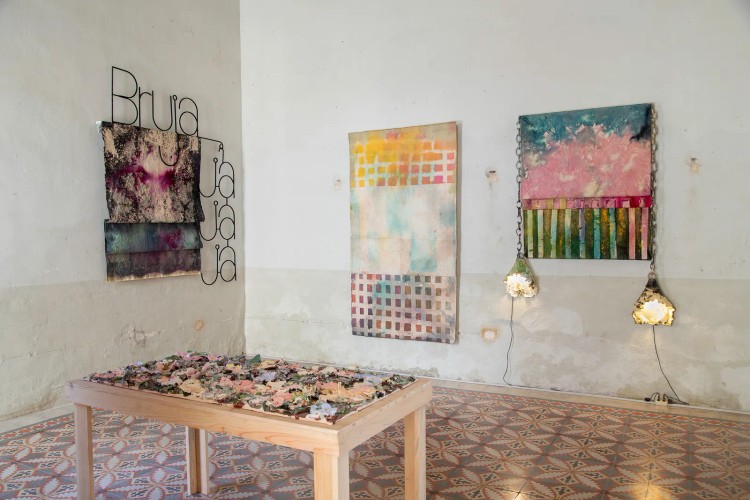
The Casa Escuela of Mónica Calderón and Ezequiel Farca presented Hot Served Cold, the first solo exhibition in Mérida by Milena Múzquiz. Installed in a former school in the historic center, Casa Escuela operates as a multidisciplinary residency where art, design, gastronomy, and wellness coexist organically.
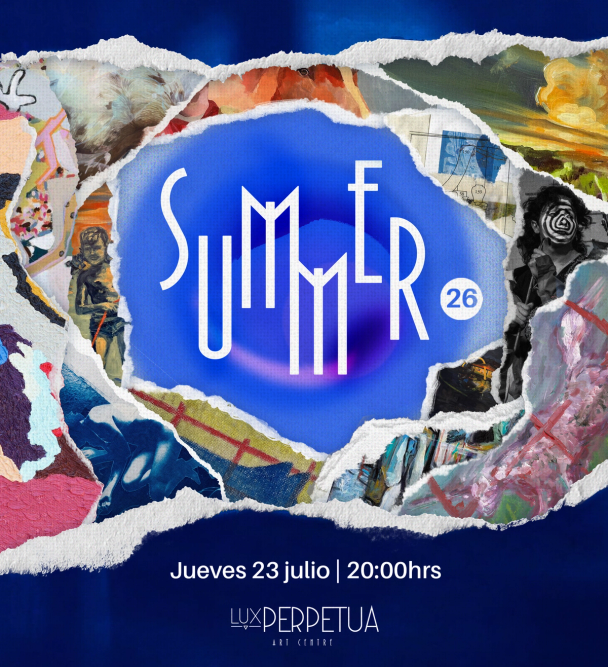
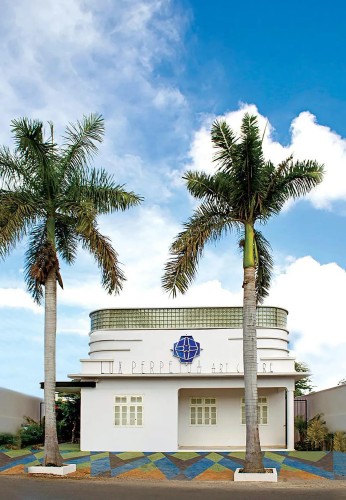
One of the most memorable moments for me was Elements by Omar Barquet at Lux Perpetua. The exhibition offered a sensitive exploration of memory, landscape, and the traces that remain after disaster, consolidating this space as a key node of contemporary art in Yucatán.
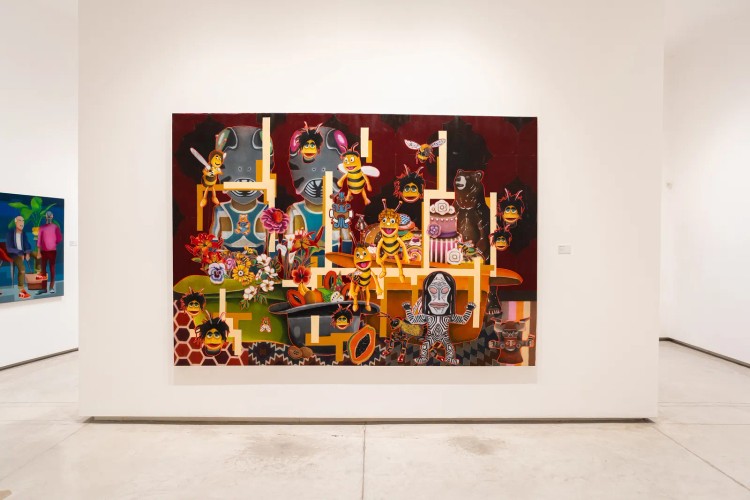
Finally, within the framework of WAY, Galería Casa Colón inaugurated a group exhibition featuring works by Carlos Jorge, Ángel Ricardo Ríos, Julia Martins, Pedro Covo, Thomas Broadbent, and Teresa Zimbrón. The opening was also one of those moments when the scene feels alive: conversation, encounters, and community.
Week of Art Yucatán was a first step—with much still ahead—that made it clear that Mérida has the sensitivity, the community, and the desire to sustain an art week with its own identity. Rather than replicating existing models, this first edition showed that the city can build its own: close, generous, and deeply connected to its context.