Mérida and Contemporary Art: A Growing Scene
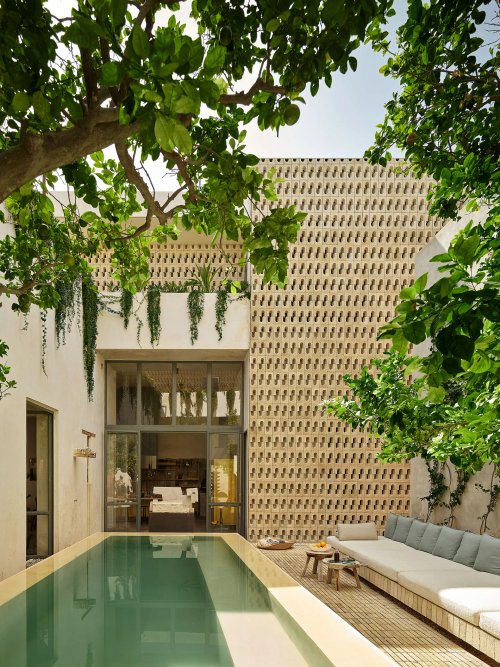
Mérida can no longer be understood solely through its heritage, architecture, and cultural life. In recent months, the city has begun to reveal a different energy: an emerging contemporary art scene, shaped by galleries, independent spaces, cultural institutions, arts education, and new platforms for artistic exchange and circulation.
Platforms for Visibility
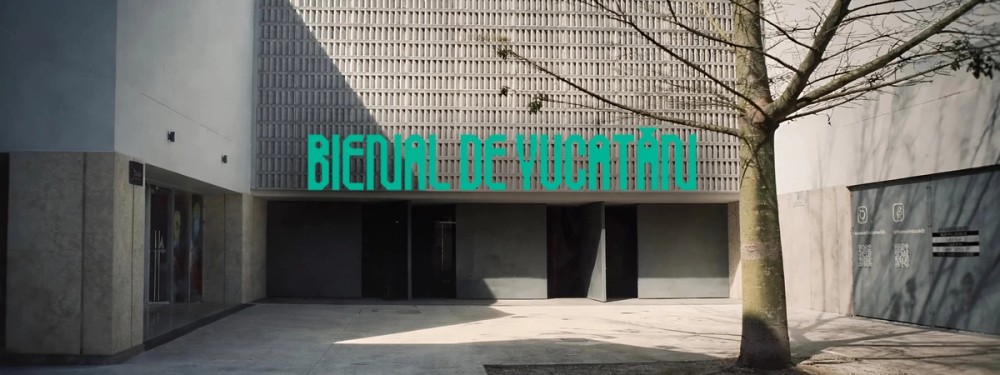
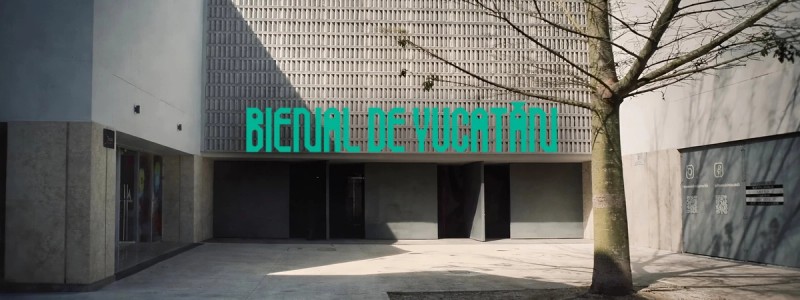
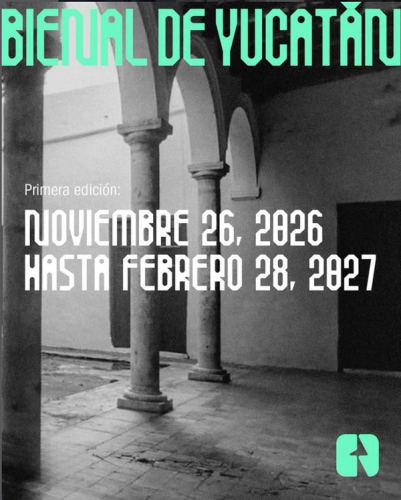
One of the clearest signs of this momentum is the Yucatán Biennial, an international contemporary art project scheduled to take place from November 2026 through February 2027. Curated by Mexican artist Abraham Cruzvillegas, its inaugural edition sets out an ambitious vision: to activate Mérida and other locations throughout the state as venues for an artistic dialogue with local, national, and international participation.
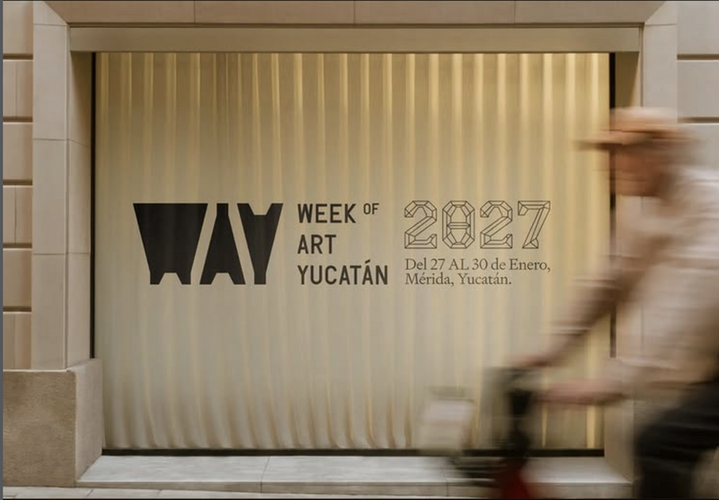
Adding to this landscape is Week of Art Yucatán (WAY), directed by José García, which will hold its second edition from January 26 to 31, 2027. Its significance lies not only in organizing exhibitions, talks, studio visits, and cultural gatherings centered on contemporary art, but also in bringing together galleries, artists, curators, collectors, independent spaces, local audiences, and international visitors under a shared program.
Galleries, Independent Spaces, and Artistic Production
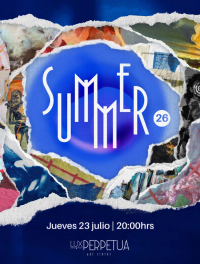
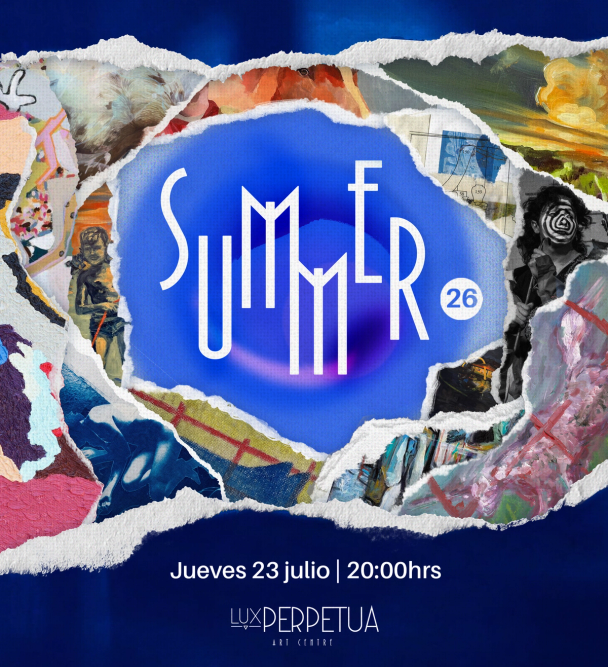
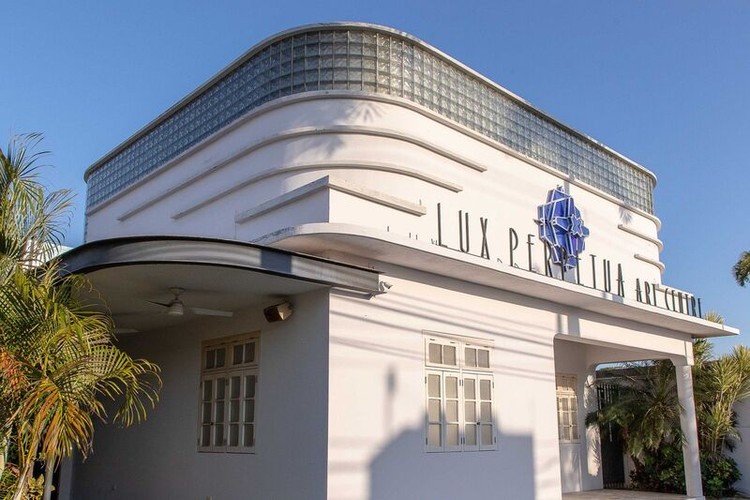
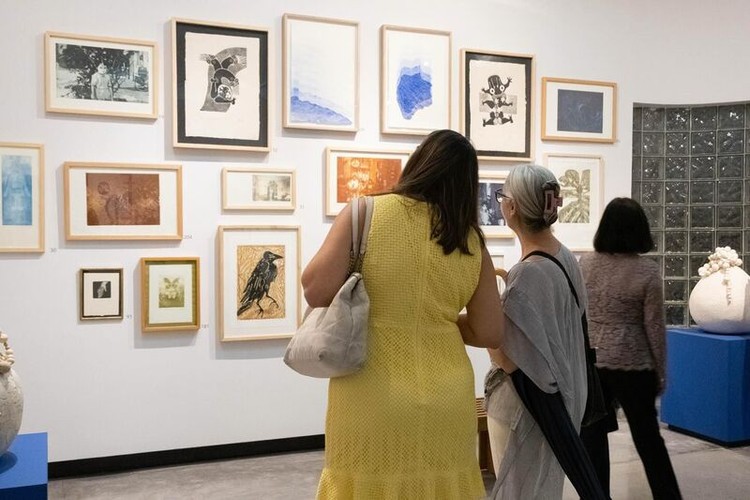
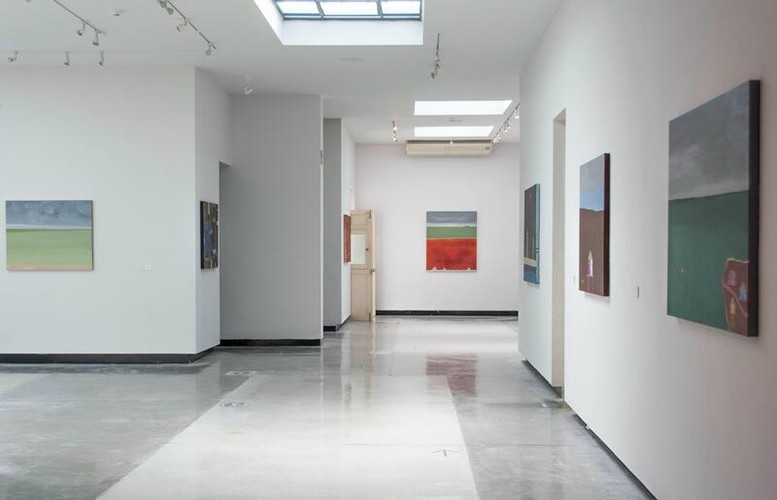
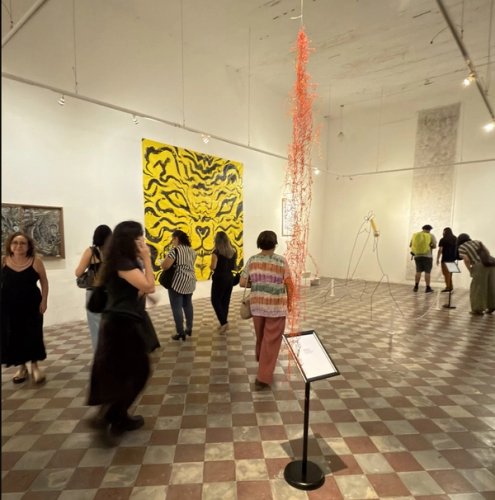
Within this evolving landscape, Lux Perpetua occupies a distinctive position. Under the direction of Mimi Cervera, the gallery and contemporary art center has maintained a program rooted in close collaboration with artists while fostering a professional approach to exhibitions, curatorial practice, and the circulation of artworks. Its presence demonstrates that Mérida's contemporary art scene did not emerge overnight; long before the city's recent surge of attention, spaces like Lux Perpetua had already been building meaningful connections between artists, collectors, audiences, and the local context.
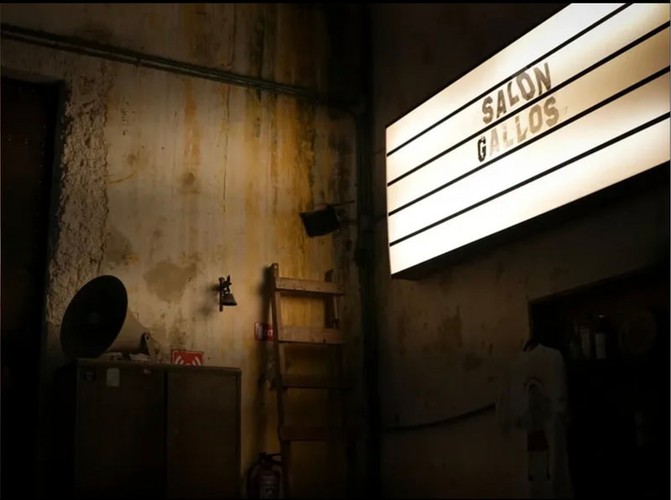
Salón Gallos operates from a different perspective. Rather than functioning as a conventional exhibition venue, it serves as a meeting point where cinema, music, gastronomy, design, conversation, and visual art intersect. In cities where cultural ecosystems are still taking shape, spaces like this do more than present exhibitions—they cultivate communities.
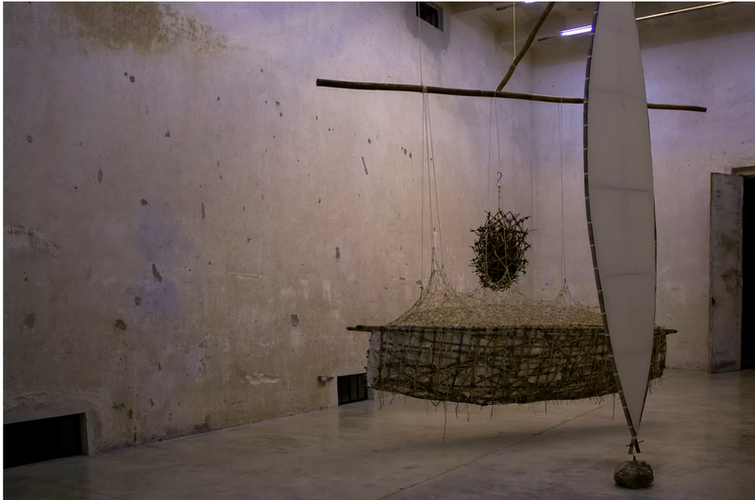
Nepantla has brought art and design to Telchac Pueblo, weaving together landscape, former henequen estates, architecture, and material memory. Its name—associated with the concept of existing "between" worlds—also offers a compelling way to understand Yucatán itself: a region where tradition, migration, tourism, local production, and new forms of contemporary artistic practice coexist. Rather than adopting the conventions of the white cube, Nepantla offers a site-specific experience rooted in place.
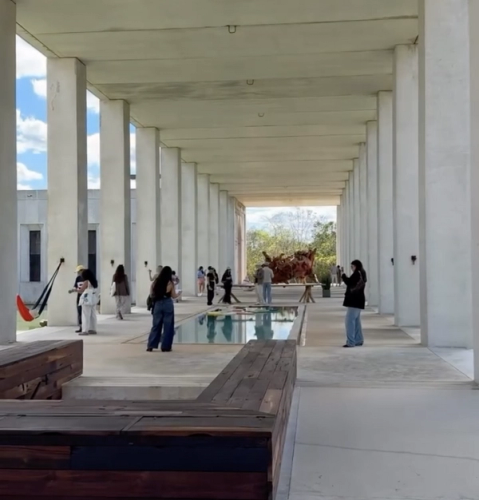
Plantel Matilde adds another dimension to this ecosystem. Designed by Javier Marín in Sac Chich, Acanceh, the space functions simultaneously as an artist's studio, residency, production center, and architectural project dedicated to creative practice. Its presence shifts the conversation toward artistic production, scale, process, and the relationship between art, territory, and community.
A more author-centered model can be found at La Galería de Fabricio Vanden Broeck, directed by Mónica González. The gallery is primarily devoted to the work of the Mexican visual artist, designer, editor, and academic, while also promoting emerging artists from Yucatán and the Yucatán Peninsula. Rather than operating as a traditional commercial gallery, it offers an entry point into the artist's visual universe while serving as a cultural destination within Mérida's historic Barrio de la Ermita.
Institutions, Collections, and Education
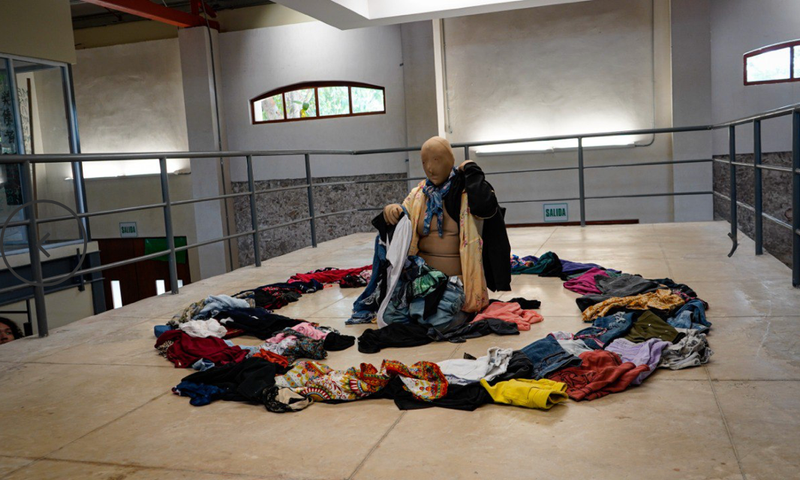
Institutional activity has also begun to play an increasingly important role. Mérida's Centro de Artes Visuales recently hosted Tiger Cubs: A Possible Universe of Drawing in Mexico, an exhibition organized by the Centro Nacional de las Artes, in collaboration with the Ponce Kurczyn Collection and the Secretaría de la Cultura y las Artes de Yucatán. Featuring more than 150 works by 101 artists, the exhibition offers a broad survey of contemporary drawing in Mexico.
The arrival of an exhibition of this scale does more than enrich the city's cultural calendar. It also connects Mérida to a national exhibition circuit and to broader conversations surrounding private collections, public institutions, and audiences beyond Mexico's traditional artistic centers.
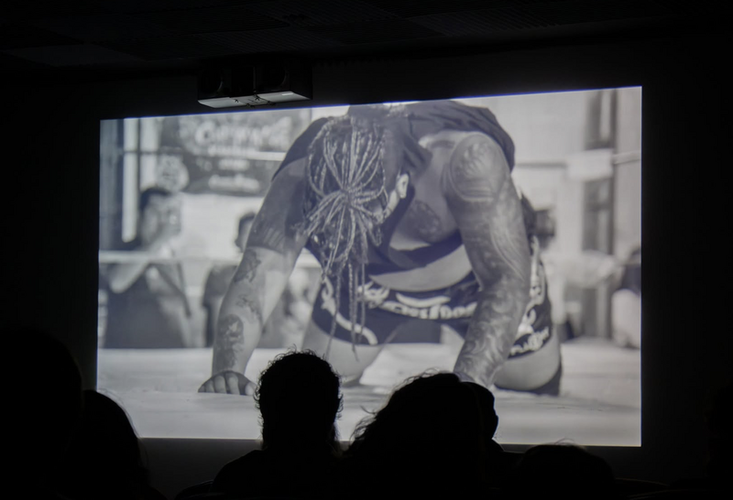
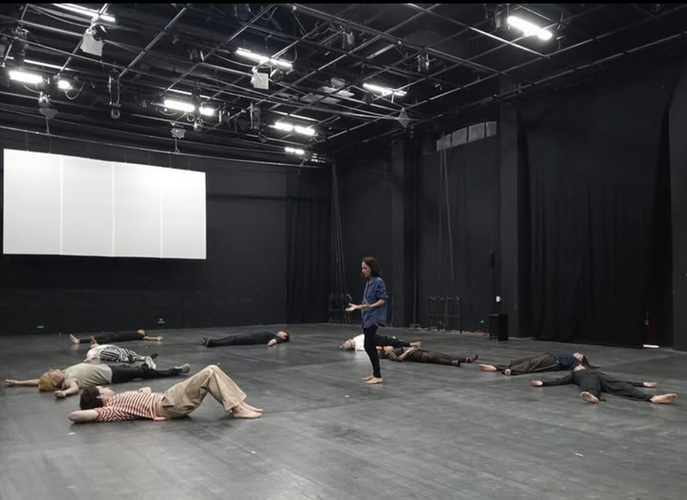
Equally essential is the city's educational infrastructure. The Universidad de las Artes de Yucatán (UNAY) offers programs in Visual Arts, Film, Dance, Theater, Music, and graduate studies. Its role is fundamental, because an art scene cannot thrive on exhibitions and fairs alone; it requires artists in training, educators, researchers, cultural managers, and new generations of engaged audiences.
The Challenge: From Momentum to Lasting Structure
What makes Mérida particularly compelling is the convergence of multiple layers: a city renowned for its architectural heritage and tourism; an established local artistic community; private galleries; independent initiatives; public institutions; a university dedicated to the arts; and new platforms seeking to position the city within a broader international conversation.
Adding to this is a thriving architecture and design community that has played a crucial role in reshaping perceptions of Yucatán—from the restoration of historic buildings and former haciendas to contemporary projects that view the territory itself as part of the cultural experience. Firms such as Quinto Distrito Arquitectura exemplify this transformation through adaptive reuse, interior design, and innovative approaches to inhabiting the city.
What matters most is not simply that more cultural events are taking place, but the kinds of relationships being built among those who create, exhibit, collect, design, inhabit, study, visit, and sustain the region's artistic life.
For now, Mérida stands at a moment of openness—a scene still taking shape. It is a city where contemporary art is increasingly engaging with architecture, design, and place, gradually claiming a more prominent role in the public conversation about the cultural future of Yucatán.
Text: BP Editorial — Blanca Espinosa, Editor
Images: F.P.
© 2026 All Rights Reserved